Floor tiles and ground surfaces: 23 3D models for D&D maps
Floors are what the tile brush paints and the room tool lays down: scanned and generated PBR surfaces sized to the 5-foot grid, so a dungeon corridor or a tavern floor tiles without seams. They drape over terrain, so a cobbled road follows the hill it runs over.
23 of these 23 models are CC0 or CC BY and can be downloaded as GLB from their page. Every one is ready to place in TerrainTale, where the free plan includes the whole library.
Using floor tiles and ground surfaces on a battle map
- Pick one main floor and one accent: a flagstone hall with a worn rug strip reads better than five materials.
- Use a rougher surface to mark difficult terrain, so players see rubble or mud before you say it.
- Outdoors, paint soft ground with the ground brush and keep tiled floors for built places; the edge between them tells the story.
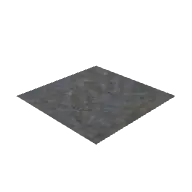 Cave Floor
 Cliff Floor
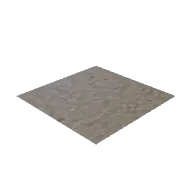 Cobblestone Floor
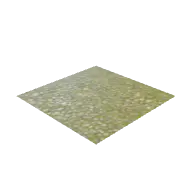 Cobblestone Mossy Floor
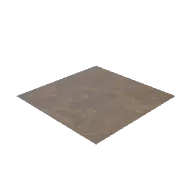 Dirt Floor
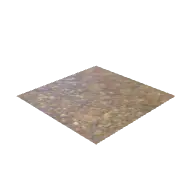 Flagstone Floor
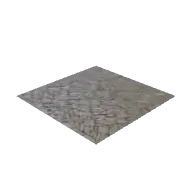 Flagstone Worn Floor
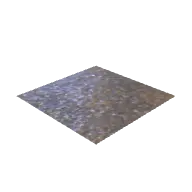 Forest Floor
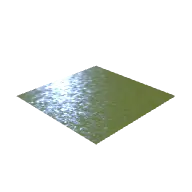 Grass Floor
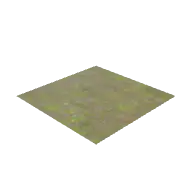 Grass Patchy Floor
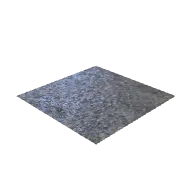 Gravel Floor
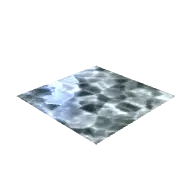 Ice Floor
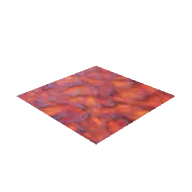 Lava Floor
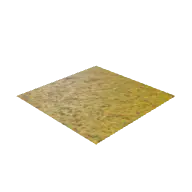 Leaf Litter Floor
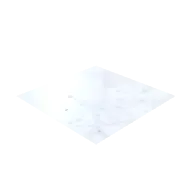 Marble Floor
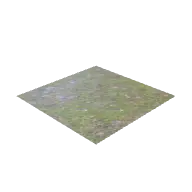 Moss Floor
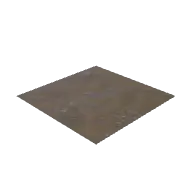 Mud Floor
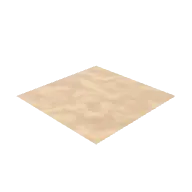 Sand Floor
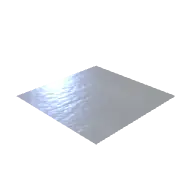 Snow Floor
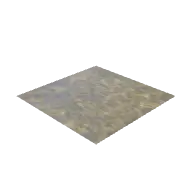 Stone Road Floor
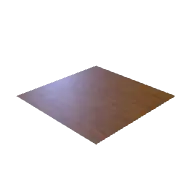 Wood Plank Floor
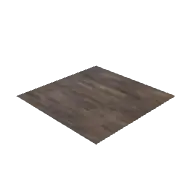 Wood Plank Old Floor
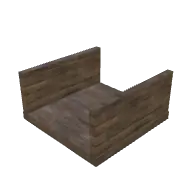 Wooden Bridge Floor
From the blog
Running a D&D map from a ceiling projector instead of a TV
A projector aimed down at the table skips the size limit of a TV. Mounting height and throw distance, keeping the room dim without losing character sheets, and the mat it needs underneath.
· 5 min read
What Hero Forge actually exports
Hero Forge's three exports explained plainly — the free screenshot, the paid 3D Digital download, and the paid STL — and which ones a general 3D virtual tabletop can actually import.
· 6 min read
Ready action rules in 5e: triggers, reactions, and the map habits that make it useful
The Ready action in the 2024 D&D rules: how to set a trigger, what your reaction can be, why a readied spell costs Concentration and a slot, and the doorway and stair positions where it pays.
· 5 min read
All articles on battle maps, grid rules and running the game
Ready to put a map on the table?
Open the builder and start, no account needed. Sixteen starter scenes are on the welcome screen; sign up free when you want to save one or play it with your group.