D&D Beyond's September 2026 drop: dusklings, four odd spells and Phandalin
D&D Beyond's September 2026 drop, announced in the first week of the month, is a small release with an unusually clear point of view. It adds one playable species, four spells that deliberately do nothing in combat, a new kind of encounter write-up, and the first of a series of prebuilt locations meant to be dropped straight into a map. Taken together it is the clearest statement yet of what the Drops programme is for.
· 5 min read · TerrainTale
The duskling, and a 20-year-old book
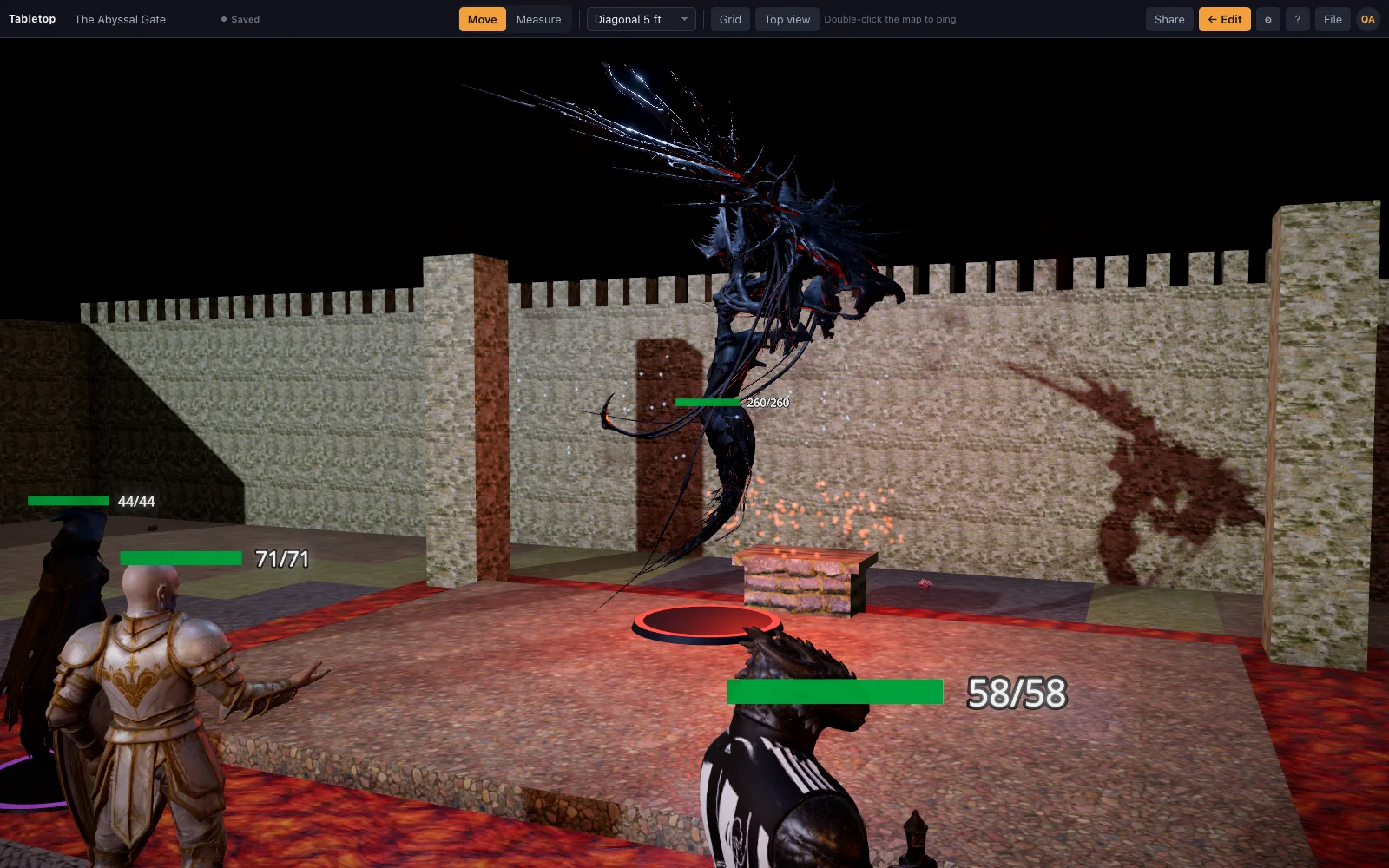
The headline item is the duskling, the first playable species released through the Drops programme. Dusklings are described as planar travellers who suffuse themselves with Feywild magic, and the name is a deliberate excavation: the duskling first appeared in Magic of Incarnum, a 3.5 edition sourcebook published more than twenty years ago and not widely mourned since.
Reaching that far back for a species is worth noticing. The 2024 rules gave Wizards a clean slate for species design, and the obvious moves would have been either new inventions or the familiar names people already search for. Choosing an obscure one instead suggests the Drops programme is being used to test ideas that would not justify a page in a hardback.
Four spells with no combat use at all
The drop adds four spells, Conjure Tools, Feign Interest, Pinky Swear and Quick Clothier, and the list was built explicitly around magic that is useful outside a fight. They are aimed at social scenes, exploration, problem solving and the sort of roleplay where a spell slot normally has nothing to do.
This is a real gap in 5e and always has been. The spell lists are overwhelmingly weighted toward damage and control, so a caster in a negotiation is a fighter with worse hit points. Whether four spells fix that is another question, but the design intent is legible, and a DM can lean on it by building scenes where a tool conjured from nothing or a promise nobody can break is the obvious lever.
- Conjure Tools: the artisan's kit you did not think to buy.
- Feign Interest: a social spell rather than an enchantment that ends a scene.
- Pinky Swear: an oath with teeth, which is a plot hook as much as a spell.
- Quick Clothier: disguise and infiltration without the disguise kit.
Storied Encounters and Fantastic Locations
Two new content formats arrived with this drop. Storied Encounters are prewritten encounters rather than bare stat blocks, including, by the reporting on the release, monsters and spells built around bonding with characters, an ooze that wants to be friendly among them. The framing is encounter-as-scene rather than encounter-as-fight, which is the harder thing to write and the thing most published encounters skip, so it is worth seeing whether the format survives contact with a table.
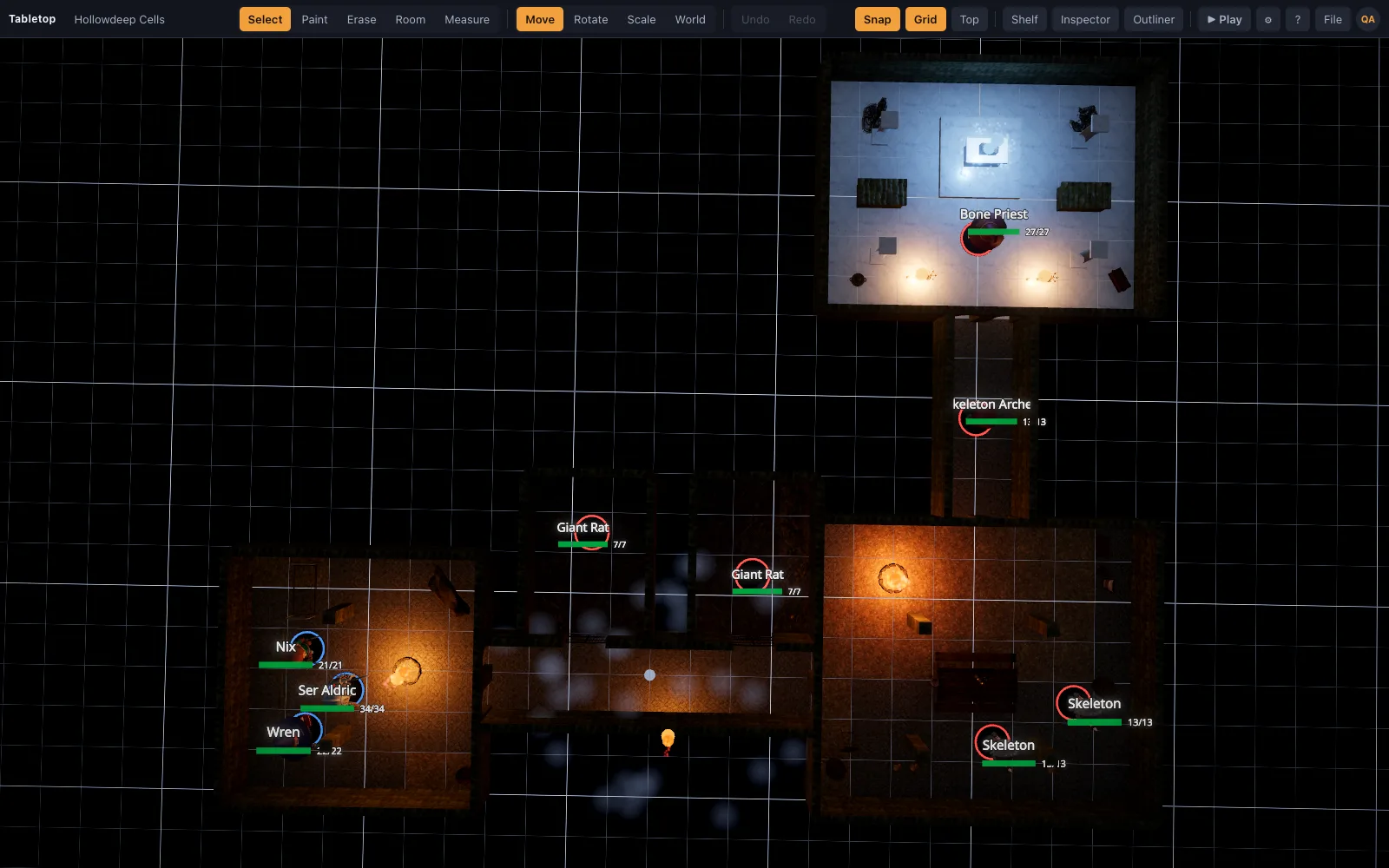
Fantastic Locations is the one with longer-term consequences. These are locations built for the D&D Beyond virtual tabletop that a DM drags into a campaign ready to use, and the first is Phandalin, the mining town that has served as the starter settlement for a decade of fifth edition adventures. Beginning with the single most reused location in the line is a sensible choice and a fairly transparent one: it is the place most likely to be needed by the most tables, so it is also the clearest demonstration of what the format is for.
What a prebuilt location is actually worth
A drop-in location saves the two hours a DM would spend drawing a town, which is real value on a Wednesday night. It also standardises what everyone's Phandalin looks like, and that cuts both ways. Shared reference points make it easier to talk about a scene between tables; they also make the fifteenth trip through Phandalin feel like the fourteenth.
The practical advice is the same as with any published map. Use the prebuilt version for the places the party passes through and build your own for the places the campaign is about. The map that matters is the one with your story's decisions baked into its shape, and nobody can ship that in a content drop.
What Drops seem to be for
Three releases in, the shape of the programme is visible. Drops are small, regular, digital-first and lower stakes than a hardback, which lets Wizards put out a species, a handful of spells or a location without committing a book to the idea. It is closer to a live-service cadence than to a publishing schedule.
For a DM the question is whether to build anything on content delivered this way. The honest answer in September 2026 is to treat drops as optional table dressing rather than a foundation, since none of it has the settled, errata-corrected status of a printed rulebook. That is not a criticism of the material; it is just what new, fast-moving content is.